
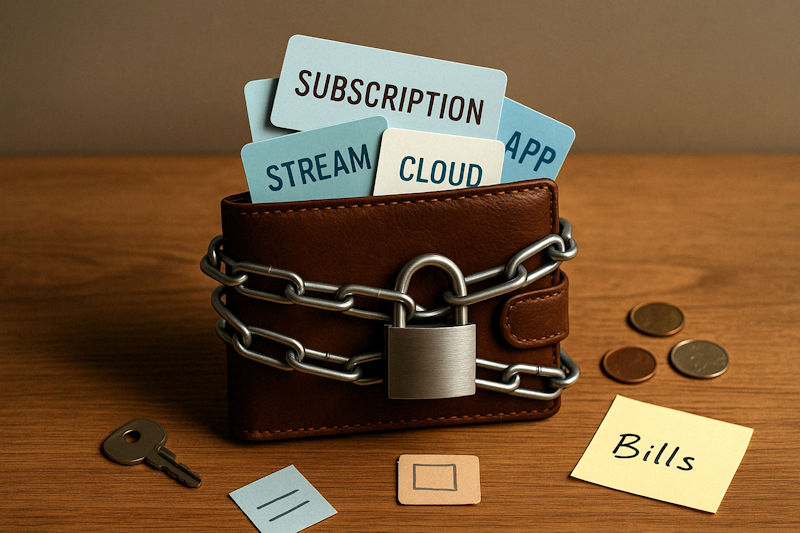
Digital debt is changing how consumers owe, how organizations bill, and how collection agencies and healthcare revenue cycle management teams must respond. Digital debt includes subscriptions, in-app payments, microloans, and digital healthcare billing. These models create smaller, faster-moving obligations that traditional collection strategies cannot manage effectively. Collection agencies and healthcare RCM teams must adapt by improving data integration, updating communication strategies, and aligning technology with compliance and security requirements.
This blog explains how digital debt is reshaping collections, why subscription and microloan models require new strategies, and what collection agencies and healthcare RCM teams must do to adapt.
This article is intended for debt collection agencies, healthcare revenue cycle management teams, compliance officers, and IT leaders.
What Is Digital Debt?
Digital debt refers to financial obligations created, managed, and resolved through digital platforms rather than traditional lending or billing systems.
Common examples of digital debt include:
- Subscription-based services with recurring charges
- In-app purchases tied to stored payment methods
- Buy now, pay later, and embedded microloans
- Short-term financing integrated into consumer apps
- Digital healthcare billing and patient payment portals
Unlike traditional debt, digital debt is often smaller in dollar amount, more frequent, and closely tied to automated payment systems. This changes how consumers perceive their obligations and how collections must engage.
Why Digital Debt Is Growing So Quickly
Digital debt has expanded rapidly due to changes in consumer behavior and platform design.
These drivers include:
- Widespread adoption of subscription business models
- Increased use of mobile wallets and stored payment credentials
- Embedded lending and micro-financing within digital experiences
- Consumer preference for low-friction, incremental payments
- Healthcare systems adopting digital billing and self-service payment tools
These models prioritize convenience, but they also increase the likelihood of missed payments, fragmented balances, and consumer confusion. When friction is removed from purchasing, it often reappears later in collections.
How Subscriptions Are Changing the Nature of Debt
Subscription models create ongoing financial obligations rather than one-time transactions. Consumers may agree to recurring charges without fully tracking long-term costs or payment schedules.
From a collections perspective, subscription-based digital debt introduces challenges such as:
- Smaller balances that accumulate over time
- Higher volume of accounts with lower individual values
- Consumers disputing charges they forgot they authorized
- Difficulty distinguishing billing issues from true delinquency
Collection agencies and healthcare RCM teams must recognize that subscription-related digital debt often stems from confusion, not refusal. Communication strategies must reflect this reality.
Microloans and Embedded Financing Create New Collection Risks
Microloans and embedded financing are designed to feel invisible to the consumer. Payments are integrated into apps, platforms, and checkout flows with minimal friction.
While convenient, these models create:
- Rapid debt origination cycles
- Limited consumer awareness of repayment terms
- Higher default risk on small balances
- Increased regulatory and compliance complexity
For collections, microloan digital debt requires faster response times, clearer disclosures, and technology that can track account activity across multiple platforms and partners.
Digital Debt in Healthcare Revenue Cycle Management
Healthcare has become a source of digital debt. Patient responsibility continues to rise, and providers increasingly rely on digital billing, portals, and automated payment plans.
This creates digital debt scenarios such as:
- Partial payments made through patient portals
- Subscription-style payment plans for ongoing care
- Missed installments on micro-financed procedures
- Confusion between insurance adjustments and patient balances
Healthcare RCM teams and collection partners must coordinate data exchange, communication timing, and compliance controls to manage digital debt without damaging patient trust.
Why Traditional Collection Models No Longer Work
Traditional collections were built around large balances, clear billing cycles, and defined delinquency timelines. Digital debt does not follow those rules.
Key mismatches include:
- Digital debt moves faster than manual workflows
- Consumers expect real-time updates and self-service options
- Smaller balances require cost-efficient engagement
- Compliance expectations increase with data integration
To remain effective, collections must align technology, communication, and compliance strategies with the realities of digital debt.
Technology and Compliance Requirements for Digital Debt Collections
Managing digital debt requires infrastructure that supports speed, transparency, and regulatory accountability.
Effective digital debt collection strategies rely on:
- Secure data exchange between platforms and partners
- Real-time account updates and monitoring
- Clear audit trails for compliance and dispute resolution
- Access controls aligned with regulatory frameworks
- Communication systems that integrate with digital billing environments
Security and compliance must be built into the process, not added later.
How Collection Agencies and RCM Teams Can Adapt
To manage digital debt effectively, organizations should:
- Update engagement strategies to reflect smaller, recurring balances
- Improve data integration with billing and payment platforms
- Prioritize transparency and clarity in consumer communications
- Align technology with compliance and audit requirements
- Invest in systems that support automation without sacrificing oversight
Frequently Asked Questions About Digital Debt
What is digital debt?
Digital debt refers to financial obligations created and managed through digital platforms such as subscriptions, in-app payments, microloans, and digital healthcare billing systems.
Why is digital debt harder to collect?
Digital debt often involves smaller balances, higher volume, and consumer confusion. Traditional collection models are not designed for the speed and fragmentation of digital obligations.
How do subscription models affect collections?
Subscription models create ongoing obligations that consumers may forget or misunderstand. Collections must focus on clarity, timing, and transparency rather than escalation.
Why do microloans increase collection risk?
Microloans are designed to be low-friction and fast. This can reduce consumer awareness of repayment terms and increase default risk, especially when balances accumulate across platforms.
How does digital debt impact healthcare RCM teams?
Healthcare digital debt involves patient portals, payment plans, and partial payments. RCM teams must coordinate data, compliance, and communication to manage balances effectively.
About TEC Services Group
TEC Services Group supports regulated industries with secure, compliant, and scalable technology environments. TEC helps collection agencies and healthcare organizations modernize data exchange, system integration, and operational infrastructure to support evolving digital debt models while maintaining compliance and audit readiness. To learn more, call us at 941.375.0300.