
Call Blocking Is Evolving Faster Than Your Strategy and Here’s How to Catch Up
Carrier call blocking in debt collection is driven by carrier analytics, number reputation, and dialing behavior, requiring coordinated data and strategy to improve contact rates.
It is not a new challenge, but it is changing faster than most agencies realize. What used to be a manageable issue tied to spam flags or poor number reputation has evolved into a more complex, carrier-driven system that evaluates calls in real time.
Across the collections industry, agencies are seeing contact rates decline even when internal processes have not changed. That disconnect is not random. It is the result of smarter filtering, stricter carrier policies, and increased pressure to protect consumers from unwanted calls.
What Is Carrier Call Blocking in Debt Collection?
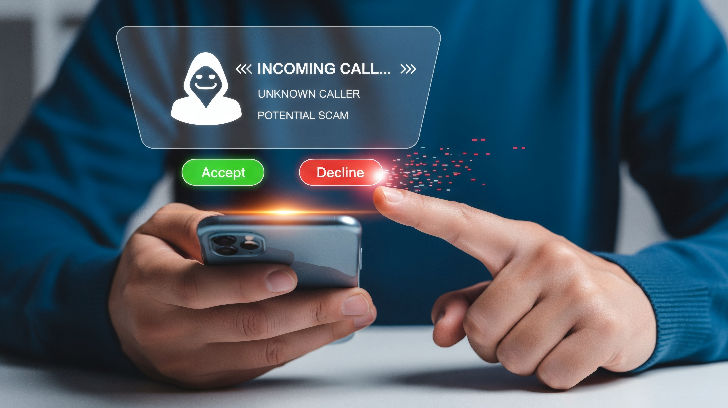
Carrier call blocking in debt collection refers to how telecom providers evaluate, filter, and in some cases block outbound calls before they ever reach the consumer. These decisions are based on a range of factors, including call patterns, number reputation, and network-level analytics.
Today, carriers are not just blocking obvious spam. They are using more advanced models to assess whether a call is likely to be unwanted, which means legitimate collection calls can be affected if the underlying data and strategy are not aligned.
Why Call Blocking Is Getting Smarter
Call blocking has evolved from basic filtering rules into dynamic, data-driven decision-making. Carriers are continuously refining how they assess calls, which means the threshold for what gets flagged or blocked is always shifting.
Several factors are driving this change:
• Increased consumer complaints and regulatory pressure
• More sophisticated carrier analytics
• Greater use of real-time scoring models
• Expansion of call labeling and verification frameworks
As a result, what worked even six months ago may no longer be effective today.
Why Traditional Strategies Are Falling Behind
Many agencies are still approaching call blocking as a surface-level issue, focusing on tactics rather than the underlying infrastructure. That approach can create short-term improvements, but it rarely addresses the root cause.
Common reactive strategies include:
• Rotating numbers without a clear plan
• Increasing call volume to compensate for lower contact rates
• Relying on inconsistent data across dialing systems
These tactics often create more problems over time. Carriers recognize patterns, and inconsistent behavior can lower overall number reputation, making future calls even less likely to connect.
How Carrier Call Blocking Impacts Collection Performance
Carrier call blocking in debt collection has a direct impact on core performance metrics, even if it is not immediately visible.
When calls are blocked or mislabeled:
- Contact rates decline
- Agent productivity decreases
- Call strategies become less predictable
- Revenue opportunities are reduced
What makes this more challenging is that agents may never know a call was blocked. From their perspective, it appears as a no-answer or low engagement issue, which can lead to misdiagnosis and ineffective adjustments.
The Move From Tactics to Telecom Strategy
Improving outcomes requires moving beyond surface-level fixes and focusing on how calls are evaluated at the carrier level. This shift changes how agencies think about dialing, data, and number management.
Instead of asking how to make more calls, agencies need to ask how to make calls that are more likely to be completed.
That move includes:
- Understanding how carriers assess call behavior
- Managing number reputation proactively
- Aligning dialing patterns with best practices
- Ensuring consistency across systems
When strategy aligns with how carriers evaluate calls, performance becomes more stable and predictable.
How to Improve Outcomes in Carrier Call Blocking in Debt Collection
Addressing carrier call blocking in debt collection requires a combination of technology, data management, and operational discipline. There is no single fix, but there are clear steps agencies can take to improve results.
Strengthen Number Reputation Management
Number reputation is one of the most important factors in whether a call is completed or blocked. Agencies need to actively manage how their numbers are perceived over time.
This includes:
• Monitoring call patterns and outcomes
• Avoiding sudden spikes in call volume
• Rotating numbers strategically, not reactively
A stable, predictable calling pattern helps build trust at the carrier level. Over time, this consistency signals that calls are legitimate and reduces the likelihood of being flagged or blocked. When reputation is managed proactively, agencies can maintain more reliable contact rates and avoid the performance swings that come with inconsistent call delivery.
Align Dialing Strategies With Carrier Expectations
Carriers evaluate how calls are placed, not just how many are made. Dialing strategies that appear aggressive or inconsistent can increase the likelihood of blocking.
Agencies should maintain consistent call pacing, avoid excessive repeat outreach within short timeframes, and align communication efforts with consumer behavior patterns. A more balanced and strategic outreach approach can improve engagement while reducing frustration and unnecessary contact attempts.
These adjustments help reduce the likelihood of calls being flagged before they are completed. They also create more predictable calling patterns, which carriers are more likely to view as legitimate. Over time, aligning dialing behavior with carrier expectations supports stronger call delivery and more consistent contact rates across campaigns.
Improve Data Quality and Consistency
Carrier call blocking is influenced by the data behind each call. Inconsistent or outdated data can create patterns that carriers interpret as risky.
Improving data quality includes:
• Validating contact information before dialing
• Standardizing data across systems
• Reducing duplicate or conflicting records
Cleaner data leads to more consistent outreach, which supports better call completion rates. It also reduces variability in calling patterns, making it easier for carriers to recognize legitimate activity. Over time, improved data consistency helps stabilize performance and strengthens overall call delivery.
Integrate Systems to Reduce Fragmentation
Disconnected systems can create inconsistent calling behavior, even when strategies are well-defined. When platforms are not aligned, it becomes harder to maintain a stable calling profile.
Integration helps organizations maintain consistent call patterns, unify data across platforms, and gain better visibility into operational performance. With connected systems and clearer insights, agencies can make more informed decisions while improving efficiency and coordination across teams.
When systems work together, it becomes easier to manage how calls are presented and evaluated.
Carrier call blocking is not static. What works today may need to be adjusted as carrier models evolve.
Agencies should:
• Track call completion rates and anomalies
• Identify patterns in blocked or flagged calls
• Adjust strategies based on real-time performance data
Continuous monitoring allows agencies to stay ahead of changes rather than reacting after performance declines.
The Role of Technology in Managing Carrier Call Blocking
Technology plays a vital role in how agencies respond to carrier call blocking in debt collection. However, the focus should be on how technology supports strategy, not just how many tools are in place.
Effective solutions should help agencies:
• Analyze call performance at a detailed level
• Identify issues tied to number reputation
• Support consistent dialing strategies
• Provide visibility into carrier-related outcomes
When technology is aligned with operational goals, it becomes a tool for stability rather than a source of complexity.
What Strong Call Delivery Performance Looks Like
When carrier call blocking is properly managed, agencies begin to see more consistent outcomes across their operations.
This includes improved contact rates, more predictable dialing performance, and better alignment between agent effort and results. Instead of relying on volume to drive outcomes, agencies can focus on efficiency and quality of contact.
Performance becomes more reliable because it is supported by a strategy that aligns with how calls are evaluated at the carrier level.
Frequently Asked Questions About Carrier Call Blocking in Debt Collection
What is carrier call blocking in debt collection?
Carrier call blocking in debt collection refers to how telecom providers filter or block outbound calls based on call behavior, number reputation, and analytics.
Why are legitimate collection calls being blocked?
Legitimate calls can be blocked if they match patterns associated with unwanted or high-risk calls, even if the intent is compliant and valid.
How can agencies reduce call blocking?
Agencies can reduce call blocking by improving data quality, managing number reputation, aligning dialing strategies, and integrating systems.
Does increasing call volume help overcome blocking?
Increasing volume often makes the problem worse, as carriers may interpret aggressive calling patterns as higher risk.
How often should call strategies be reviewed?
Call strategies should be reviewed regularly, as carrier models and evaluation criteria continue to evolve.
How TEC Services Group Helps Agencies Stay Ahead
At TEC Services Group, carrier call blocking in debt collection is approached as a telecom-level challenge, not just an operational inconvenience. Agencies need more than short-term fixes. They need strategies that align with how calls are evaluated across networks.
Working with organizations across the U.S., Europe, and Latin America, TEC helps agencies move beyond reactive tactics and build more stable, performance-driven calling environments.
TEC supports agencies by helping to:
• Improve data consistency and flow
• Strengthen system integration
• Align dialing strategies with carrier expectations
• Provide visibility into call performance
• Reduce operational inefficiencies that impact delivery
Carrier call blocking will continue to evolve, and agencies that adapt early will be better positioned to maintain contact rates and operational stability.
Making more calls does not define success. Making calls that actually connect does. If you’re ready to rewrite your definition of success, start by clicking here to contact TEC Services Group.